The Sound of Batala: A Closer Look at Every Drum

Updated: Sep 9
Batala’s sound is unmistakable. It's bold, joyful and full of movement. But behind that wall of rhythm lies a carefully balanced musical structure. Each instrument has a distinct role, its own personality and a specific place in the groove. When they come together, they create the powerful samba-reggae sound that defines Batala.

Whether you’re a seasoned drummer, a new recruit, or someone who’s only ever seen us on the streets of London, here’s a closer look at the instruments that make the magic happen.
Surdo: The Heartbeat of Batala
The surdo section forms the foundation of everything we play. These large bass drums create the deep, resonant pulse that anchors the entire band. Many people know them simply as the bass drums, so we have included both names below.
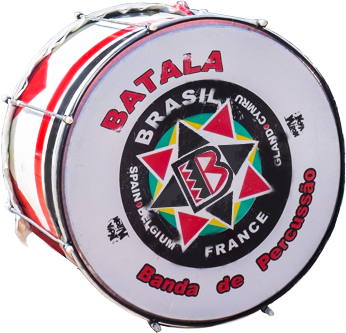
Surdo 1 (aka Bass 1): The Pulse
This is the lowest and deepest drum. It marks the heartbeat of the rhythm. When Surdo 1 hits, you feel it in your chest.
Surdo 2 (aka Bass 2): The Lift
Surdo 2 plays the answering pattern to Surdo 1. It creates the lift and sway that gives samba-reggae its distinctive feel. It is the drum that adds movement and keeps the rhythm flowing forward.
Why it matters: Together, Surdo 1 and Surdo 2 create the bassline that drives the entire band. Without them, the rhythm would lose its shape and weight.
Dobra: The Dancing Voice
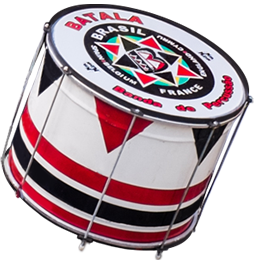
The dobra sits above the surdos and adds melody-like patterns that give each rhythm its character. It is expressive, playful and often the first thing people hum after a performance.
The dobra is the section that plays off the beat. These off beat patterns create the dancing feel that makes samba-reggae so distinctive. Dobra players switch between open tones, slaps and rolls to create movement and colour. In many rhythms, the dobra line is what makes the groove instantly recognisable.
Why it matters: The dobra brings personality. It is the part of the rhythm that feels like it is singing.
Repinique: The Leader and the Signal

Bright and sharp, the repinique is the instrument that leads the band. It cuts through the ensemble with clarity and gives cues, calls breaks and guides transitions.
A repinique player needs confidence, precision and strong timing. The whole band responds to their signals, whether it is a call to stop, a call to build or a call to burst into a new section.
Why it matters: The repinique is the communicator. Without it, more than forty drummers would never stay together.
Caixa: The Relentless Engine

The caixa provides the fast, intricate patterns that keep the rhythm driving forward. It is constant, detailed and full of energy. This shimmering layer ties everything together.
Caixa players need endurance and focus, especially during long parades or Carnival sets. Their consistency is what keeps the band tight and unified.
Why it matters: The caixa is the engine. It keeps the rhythm moving and the band locked in.
How the Sections Work Together
Each instrument has its own voice but the real magic happens when they blend.
Surdo 1 provides the deep pulse
Surdo 2 adds the lift and movement
Dobra brings off beat patterns and expressive lines
Repinique leads and signals
Caixa drives the groove with detail and speed
Hear Each Drum and the Band as One
Seeing and hearing each section on its own is fascinating but the real magic lies in how they come together. Every drum adds something essential, whether it is depth, lift, colour, clarity or drive. When those voices blend they create the unmistakable Batala sound that fills streets and festivals with energy.
Here is a clip that shows the full band sound in action:
If you would like to explore more, the Batala Mundo project has excellent demonstrations and breakdowns: https://www.batalamundo.com/european-project/
The more you explore each part, the more you notice in the music. You start to hear how the rhythm breathes, how the sections respond to one another and how the whole band moves as one. It is this shared connection that makes playing and listening to Batala such a powerful experience.
Whether you play with us or cheer from the sidelines, we hope this guide helps you hear the music in a new way.


