Three Essential Hand Exercises for Drummers

Updated: Jul 24

Strong hands and relaxed technique are the foundation of great drumming. These hand exercises for drummers are designed to build speed, control, endurance, and consistency whether you're learning your first Batala rhythm or preparing for performance.
🎥 Watch the full demonstration video Developing Wrist and Finger Speed on Drums
1. Hand Clap Drill
A quick warm‑up that wakes up the fingers and builds endurance. Clap lightly, keeping the rhythm steady. Feel the pulse rather than forcing the rhythm. This drill strengthens coordination and prepares the hands for stick work.
2. Stickless Finger Grips
Hold invisible sticks and move through small gripping motions. This develops finger independence and smoothness at speed. It’s a quiet exercise that can be done anywhere — on the bus, backstage, or before rehearsal.
3. Stick Finger Exercise
Flip the stick and let the fingers drive the movement. This builds control and rebound awareness, refining accents and dynamics. It’s about precision, not power.
Hand Exercises for Drummers: Weekly Practice Progression
Start with one minute per exercise. As the tempo increases each fortnight, gradually increase duration while maintaining relaxed, controlled movement.
Week 1–2 → 60 BPM — 1 minute per exercise
Week 3–4 → 70 BPM — 90 seconds per exercise
Week 5–6 → 80 BPM — 2 minutes per exercise
Week 7–8 → 90–100 BPM — 2-3 minutes per exercise
This keeps development steady without strain, helping the hands grow stronger while staying loose.
How these three exercises support each drum
These exercises work for drummers in many styles, and they also support the movement, control and timing used across Batala London’s drum sections:
Repinique

The three exercises help build the coordination, control and finger strength that support confident Repinique playing. They encourage quick reactions, relaxed movement and greater precision when leading or responding within the ensemble.
Result: Fast, controlled, and confident playing.
Caixa

These exercises develop the hand control and endurance needed for consistent Caixa patterns. By improving finger movement and rebound awareness, they help players stay relaxed while maintaining clarity and precision.
Result: Clean, steady and controlled rhythms
Dobra
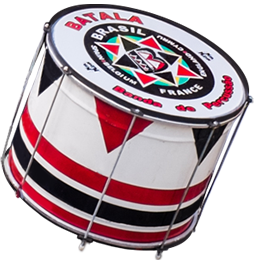
The exercises support the flowing movement and dynamic expression often found in Dobra playing. They encourage relaxed hands, smooth stick control, and the ability to shape accents comfortably within the groove.
Result: Loose, expressive and dynamic playing
Surdo
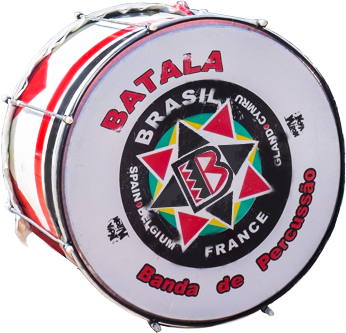
Strong grooves start with relaxed and reliable movement. These exercises help build the control and endurance needed to maintain a steady pulse while keeping the hands loose and comfortable over longer periods of playing.
Result: Steady, powerful and consistent grooves
Why It Matters
These exercises aren't just about speed. They're about building a stronger connection between hand, stick, and rhythm. By reducing tension and improving flow, they help drummers play with greater ease and consistency. Over time, these movements become part of the body's memory, shaping the way Batala London sounds and feels.
Infographic
The infographic below summarises the full routine. It’s designed for quick reference and daily use — a visual rhythm you can keep close. Simple daily practice for relaxed, powerful hands.

The drum doesn’t wait for perfection; it responds to persistence. A few minutes each day is enough to shape control, flow, and confidence. When your hands move freely, your rhythm speaks clearly — and that’s where the music begins.
